



President John Mahama’s decision to cancel fuel allowances for all political appointees could save the country more than GH¢121 million over the next four years.
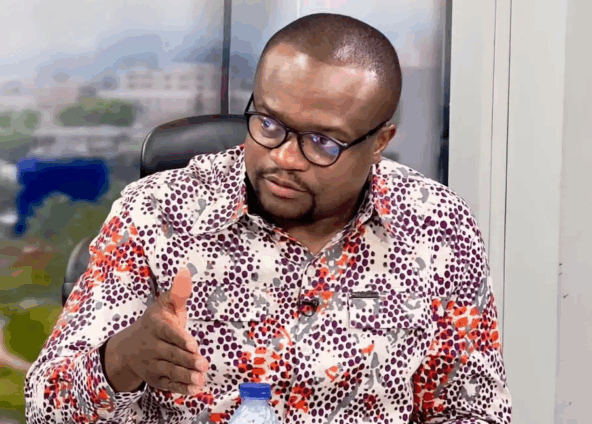
Speaking on JoyNews’ PM Express Dr. Sharif Mahmud Khalid, Economic Policy Advisor to the Vice President said the projected savings are based on a conservative estimate using fuel consumption data and the current price of petrol at the pumps.
“Ballpark, this is what I did in the studio using GOIL’s figures,” he said. “I looked at 4×4 and saloon vehicles and cross-country. So let’s say 500 saloon cars and 500 4x4s, with about 50 litres of fuel per saloon car each week per government appointee.”
He explained that although the total number of vehicles in the government fleet may exceed 1,000, his calculations were based on 1,000 cars to keep the estimate modest but realistic.
“If you crunch the numbers a bit, the government will be saving about GH¢2.5 million or more every month, and over GH¢30 million each year,” he stated.
According to him, this could result in savings of more than GH¢121 million in four years.
Dr. Khalid clarified that he was not suggesting what government should do with the money. However, he gave examples of how the funds could be invested in critical infrastructure.
“A maternity block for a hospital or clinic costs about GH¢1.5 million. With these savings, government could build about 81 of them,” he said.
He added that the same amount could also construct 303 Community-Based Health Planning and Services (CHPS) compounds or 121 six-unit classroom blocks, assuming each costs around GH¢1 million.
“These are examples of what could be achieved. So before we call it a PR gimmick, we need to understand the bigger picture,” he noted, defending the policy against critics.
Dr. Khalid said the goal was to show what was possible if the policy was followed through.
“I’m not saying this is what the government is doing. I’m just giving a full picture of what we could expect and the savings we could make if this policy is actually implemented,” he concluded.